Showing posts with label Corrugated Boxes. Show all posts

Wednesday, November 15, 2017

What Are Corrugated Boxes and How Do They Work?

 Corrugated Packaging's Various Applications and Types

What are corrugated boxes, and how do you use them? If you haven't heard about the world's greatest packing choice, you've come to the correct spot. Continue reading to discover more about corrugated boxes, as well as the purposes and varieties of corrugated packaging.

Corrugated vs. Cardboard

A cardboard box is constructed of strong paper-pulp or thick paper stock. This material is being used to manufacture a number of things, including tiny boxes, product packaging, and even structural support for less rigid objects like note books, inserts that protect button-up shirts from losing their form, and more.

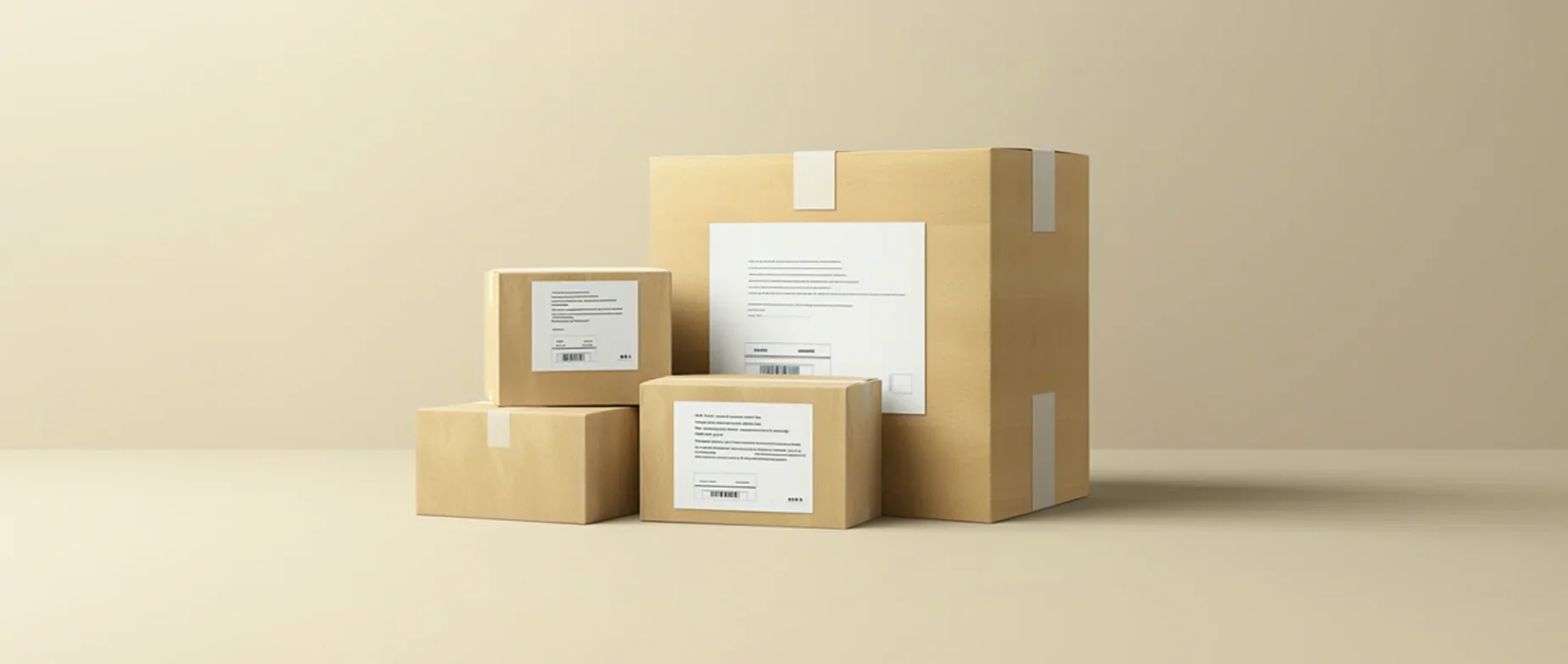
Instead of a single sheet of cardboard, corrugated cartons are made up of many layers of material. An interior liner, an outer liner and a fluted medium between the 2 layers of corrugated, make the three layers. Corrugated is a durable and lightweight material, which is crucial for people who deliver a lot of products.


The Corrugated Box Manufacturing Process

To comprehend what corrugated boxes are, you must first comprehend how they are manufactured. Corrugated packaging is the most recycled packaging material on the globe, as it is made mostly from trees, which are a renewable resource. It's made from recycled corrugated boxes and trees.

Old corrugated containers (OCC) are dumped down, sorted, compressed, and baled for space-saving storage when corrugated is repurposed. These bales are then sent to a paper mill, in which the corrugated is broken down and placed into a repulper that is like to a huge mixer.

They're stirred in the repulper to make a slush pulp of fiber and water. The impurities are removed, and the leftover fiber mixture is placed onto a moving screen that drains the water, resulting in a continuous fiber mat. After that, the mat is pushed between rollers to extract any remaining water.

The wet, continuous fiber is looped through a drier, where it comes into contact with hot surface of dry cylinders at the top and bottom, eliminating any leftover water from the paper. After this step is completed, the paper is placed onto a huge reel spool, slit, and rewound into separate rolls, and the recycling process is deemed done. Those paper rolls are sent to sheet feeders or corrugators, where they are turned into corrugated sheets and then converted into environmentally friendly corrugated packaging.

The Fundamentals of Corrugated

Now that you understand the distinctions between corrugated and cardboard, let's look at the fundamentals of corrugated. When creating a corrugated box, there are several variables to consider. This is also why they can be customized so much.

Profiles of Flute

A, B, C, E, and F are the most popular flute sizes today, with A being the biggest. The thicknesses of the walls and the stacking power of your corrugated box are determined by the flute size. An “A” flute is roughly 5 mm thick and is a great choice for goods that need more cushioning or stacking power. The thickness of the board decreases as you progress through the B, C, E, and F flutes, concluding in a narrower board.

Types of Boards

Corrugated boxes may be made from four different types of boards. Single-wall and double-wall boards are the most prevalent. There is also some single-face board, which is created consisting of one sheet of corrugated medium attached to one sheet of liner.

This type of board is generally supplied in rolls and may be used to cover and support goods by wrapping around them. If one sheet of corrugated medium is bonded among two sheets of liner, the result is a single-wall board. The most popular form of board on the marketplace is single-wall, which may be used for anything from shipping boxes to shop displays.

If two sheets of corrugated material are bonded among three sheets of liner, it is known as double-wall. This board is frequently used for larger items or those that require a thicker delivery box.

Finally, triple-wall construction involves gluing three layers of corrugated medium among four sheets of liner. This is the most durable of all the board types, and it is frequently used for industrial products.

Board Grade

Mullen or Edge Crush Test (ECT) corrugated board is a type of corrugated board. The uses of these two types of board are vastly different. The ECT test determines how much stack power or force a box can endure without crushing. If you're planning to stack cartons on top of each other, whether on a pallet or on a storage shelf, ECT board is the best option.

Thursday, June 23, 2016

Crowd Controlled Packaging for Managing High Returns

Returns surges happen with companies. holiday season, where people get items that either don’t fit right or not what they wanted, oftentimes get returned.

Another example is fast fashion, where trends go out of style fast, that people only keep it until it becomes unpopular to wear. 

Then there are those try-before-you-buy models, popularized by Amazon Fashion, where you can try the item before committing to a purchase, and can be turned if the sizing is incorrect. 

Having the right packaging that can handle high returns is important. If not factored, it can lead to you wasting a lot of money, which isn’t fun.

Here, we will go over the most popular crowd-controlled packaging for managing returns of all kinds. 


Packaging that Streamlines and Improves Reverse Logistics 

With reverse logistics, returns are the main focus, because in some cases, it might mean a sale, or a rental.

You need to make sure that reverse logistics are maintained and factored in. here is something to consider when putting together reverse logistics packaging.

Easy reseal envelopes are a good starting point with these reseal envelopes, you’re able to seal and then reseal again, making it easy to ship it back if the item isn’t what you wanted. 

Consider double-sided labels, which are labels with two sides, necessary for returns, especially if you know that the returns are common.

Modular inserts, which can be used to help return the packaging, is another good thing. Overall, all of these methods prepare for the inevitable returns that come with certain sectors. 


Reducing Processing Labor for Returns 

Some packaging does get bogged down during the returns process because it is not properly optimized. If you want returns and replacements to be processed faster, it’s important to design the packaging.

Having a barcode compartment for the return is important. That way, when the return comes in, it can be scanned and then shipped out right away. making it in a place easy to scan is very important.

Another thing to consider as well is the automation of sorting. Having this as a possibility that will help with improving your sorting will also drastically expedite returns, since you will have it sorted for each type of item. 

Supplies for One-Touch Restocking 

You also should consider packaging that’s made for restocking. 

Return-friendly folding systems, such as automated folders, are a common example. Another example of this, is also to have the packaging be re-folded to the original design, stocked once again for a future customer and down cleanly. 

What’s the Metrics for Return-Centric Packaging 

The metrics for this are based on how many returns come in, the speed of the returns, and customer satisfaction with the replacements. Having the packaging barcode talk about the return, and also any customer problems, will help to ensure that the replacement fits the needs of the customer.

You also want to make sure that they’re speedy too. waiting too long for it to come is just going to make customers look towards somewhere else or do something else.


The final thing is also ensuring that the packaging is easily returned back.   If there is speed to the returns, then great, your packaging is good for return-centric experiences. But, if it takes too much time and customers complain about this, then you might want to consider some different ways for return-centric packaging to stand out, and thereby improve what’s there.

Again, with this system, being mindful of your returns is important, so doing this in a way will inevitably benefit all that buy from you.


Friday, January 9, 2015

Fungi Based Packaging

 Packaging comes in all sorts of new and innovative sustainable means. One unique one that’s come down the pipeline in recent years, is fungi. Yes, mushroom packaging. 

Mycelium is a new type of fungi packaging, and it’s been a popular sort of item for shipping supplies. Considered to be a biodegradable alternative, we’ll go over here what fungi-based packaging entails, and why it’s become the new, hit thing for a lot of packaging providers. 

What Mycelium Packaging 

Mycelium packaging is exactly what you think it is. it’s made from mycelium, or mushrooms. Oftentimes, it’s also mixed with hemp too, in order to create eco-friendly packaging that protects your shipping. 

Why use Mushroom Packaging 

Well mushrooms are natural. They’re a form of biodegradable packaging that naturally breaks down, so it won’t harm the planet. You’re leaving less of a carbon footprint.


It’s safe for the oceans, since you’re able to just plop it into some water, and then break it down. It also doesn’t contain plastic either, so it’s considered a sustainable initiative. There are no chemicals either, as it’s all natural.

Another interesting fact is that it’s flame-resistant, so for flammable objects, it is a great option to utilize. It also is water-resistant, which is great if you have something that doesn’t need to get wet. It works better than regular cardboard boxes. 

There are some fun ways to use it. Since the mushroom packaging is naturally grown, you just have to grow it, and then process it.   with mushroom packaging, it offers unique, customized designs that can really improve your packaging experience. 

How to dispose of it? 

You can dispose of it either through using a compost pile, or just by tossing. Since it’s a natural design, it also is easy to remove. There’s no complex disposal methods, but you just compost or toss it.   You also don’t need to send it to recycling plants. 

How’s it Made? 

Mushroom packaging is made through the mycelium, which is usually grown around corn stalks or hurds of hemp. The mycelium is essentially a “blue” that binds the wastes to create a shape within its mold, and then it’s dried in order to prevent further growth. It is then placed into a customized mold, where it’s grown until the shape that’s desired is formed, and then dried in order to stop the growing cycle.

The process of drying and curing is something that’s used to help keep it in the right shape, and then, once it stops growing, it can then package out the products that you have, in order to create sustainable growth. 


It’s a great alternative to the plastic packaging problems because they’re made from agricultural waste that’s renewable, and totally biodegradable, so it does work. 

Mushroom packaging does have a few limitations, especially in the process and durability. It may not work for heavy objects, but for smaller items that you want to create a more eco friendly experience for, this is the way to go.

We will probably see more and new designs with mushroom packaging come down the pipeline. After all, it is the future of packaging. For many people, mushroom packaging offers a unique, fun experience that will help you with building sustainability of all kinds. The sky’s the limit on what you can do with your packaging.


Mushrooms are something that may not seem like a product type to be used. But with so many unique, exciting options to choose from, you don’t want to miss any of these, for they are right there ready for you to experience and enjoy the packaging process too.